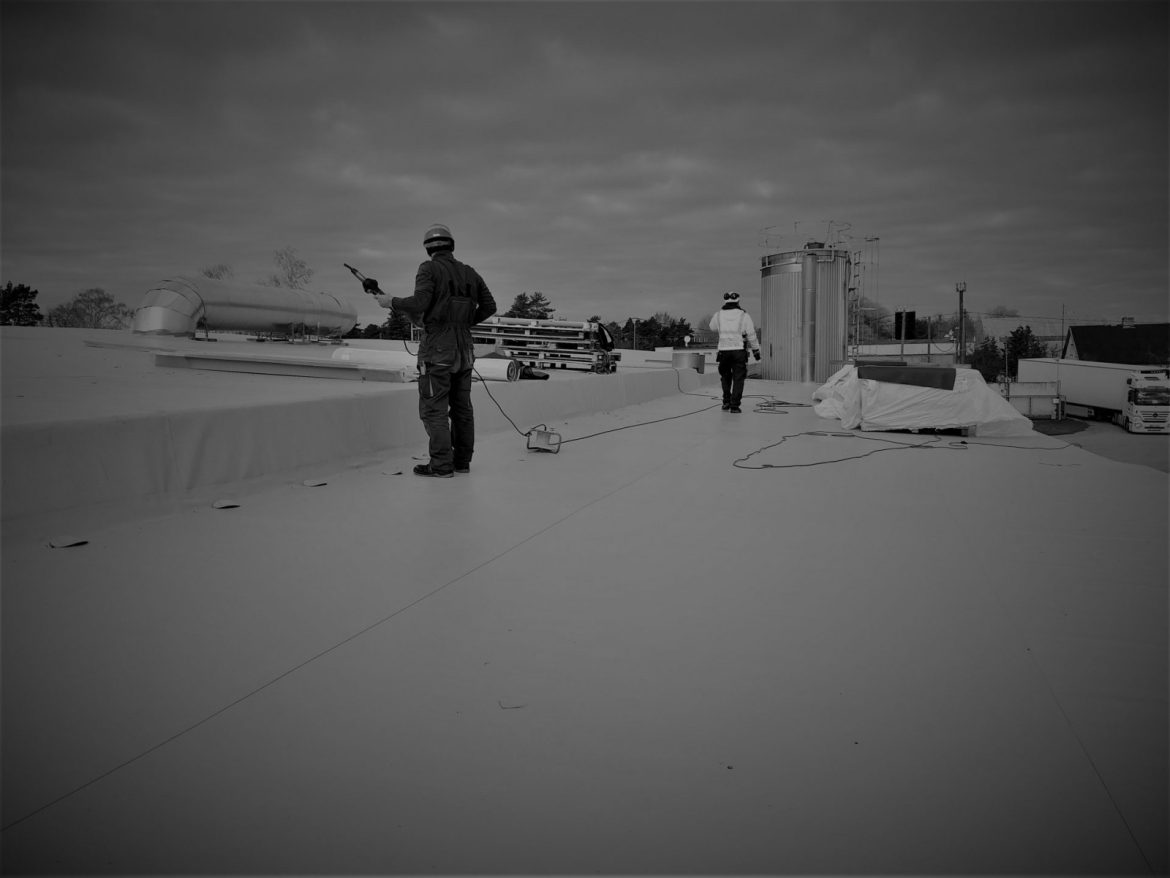
Flat roofs are a practical and widely used solution for residential, commercial, and industrial buildings. However, their horizontal structure makes them more vulnerable to water pooling, membrane damage, and insulation issues. Without proper diagnostics, minor defects can quickly escalate into expensive structural problems.
That’s why investing in professional flat roof inspection services (lamekatusetööd) from trusted providers, such as flat roof inspection services, is essential for protecting your building’s long-term performance. In this complete guide, we’ll explore why flat roof diagnostics matter, how they are performed, what materials are involved, and how property owners can prevent costly repairs through proactive maintenance.
Why Flat Roof Diagnostics Matter
Unlike pitched roofs that naturally shed water, flat roofs depend on drainage systems, membranes, and insulation layers to stay watertight. Even minor membrane punctures, flashing defects, or insulation saturation can compromise the entire roofing system.
Flat roof diagnostics serve several critical purposes:
- Detect hidden leaks before interior damage occurs
- Evaluate membrane integrity
- Identify thermal insulation deficiencies
- Assess drainage efficiency
- Determine remaining service life
- Plan preventative maintenance
Whether your building uses traditional bituminous roofing, modern synthetic membranes, or hybrid systems, regular inspection ensures safety and long-term performance.
Understanding Roofing for Flat Roof Systems
Flat roofs are usually built as multi-layered systems, where every layer has a certain specific role to play. The structure starts with the structural deck, which is the base for the whole structure. Then comes the vapor barrier, which is designed to prevent water from rising up and affecting the insulation properties. The thermal insulation layer is responsible for maintaining a certain temperature inside the building, while the waterproofing layer is the main protection against water.
Lastly, the protective surfacing layer protects the waterproofing layer from the sun’s UV rays, weather, and mechanical damage. In talking about roofing for flat roofs, it is essential to recognize that flat roofs are complete structures and not just materials, and the diagnostic process needs to take into account the entire structure as a whole and not individually. The most common types of flat roofs are bituminous roofs like APP or SBS, PVC or TPO roofing, EPDM roofing, and built-up roofing. Among these, bituminous roofing is still one of the most effective and economical solutions for colder climates due to its flexibility and adaptability.
Common Problems Found During Flat Roof Diagnostics
Professional diagnostics often uncover issues that are invisible from ground level. Some of the most common findings include:
1. Water Ponding
Improper slope or blocked drains can cause standing water. Over time, ponding accelerates membrane deterioration.
2. Membrane Cracking or Blistering
Exposure to UV radiation, temperature fluctuations, and poor installation can lead to cracking in bituminous materials.
3. Insulation Saturation
Wet insulation reduces thermal efficiency and increases heating costs. It can also affect roof insulation price calculations if replacement is required.
4. Flashing Failures
Improper sealing around vents, skylights, and parapets is a frequent source of leaks.
5. Mechanical Damage
Foot traffic, HVAC servicing, or improper snow removal can puncture roofing membranes.
Early detection of these issues significantly reduces repair costs and extends roof lifespan.
How Flat Roof Diagnostics Are Performed
Professional flat roof diagnostics combine visual inspection, moisture detection technology, and structural assessment.
Step 1: Visual Inspection
The process begins with a systematic surface inspection:
- Membrane condition
- Seams and joints
- Drainage points
- Penetrations and flashing
- Surface wear
Technicians look for blistering, cracks, exposed reinforcement, and loose seams in bituminous roofing systems.
Step 2: Moisture Detection
Modern diagnostic tools include:
- Infrared thermography
- Electronic leak detection
- Core sampling
- Capacitance moisture meters
Infrared scanning identifies wet insulation by detecting temperature differences. This method is particularly effective in large commercial buildings.
Step 3: Insulation Evaluation
Insulation performance directly affects energy efficiency. If saturated insulation is discovered, professionals assess replacement scope and calculate updated roof insulation price estimates.
Step 4: Structural Assessment
The roof deck is checked for sagging, corrosion, or structural fatigue. Even the best bituminous materials cannot compensate for structural weakness.
Step 5: Reporting and Recommendations
A professional diagnostic report typically includes:
- Photo documentation
- Identified defects
- Urgency level
- Repair recommendations
- Budget estimation
This allows property owners to plan preventive maintenance instead of reacting to emergencies.
Bituminous Roofing in Diagnostics: Why It Remains Popular
Bituminous roofing systems continue to dominate flat roof markets due to their:
- High waterproofing reliability
- Flexibility in cold climates
- Multi-layer reinforcement
- Strong adhesion to substrate
During diagnostics, special attention is given to seam integrity and surfacing granules. Over time, UV exposure can degrade the upper protective layer, increasing vulnerability.
When evaluating roofing felt cost, it’s important to consider both material price and installation complexity. Modified bitumen systems are cost-effective over the long term because they allow localized repairs rather than full replacement.
Turnkey Roofing and the Value of Integrated Diagnostics
For property owners planning renovations, turnkey roofing solutions provide comprehensive service — from inspection and diagnostics to repair or full system replacement.
Instead of coordinating multiple contractors, turnkey roofing ensures:
- Seamless project management
- Consistent material quality
- Accurate cost estimation
- Warranty compliance
Diagnostics are the foundation of any successful turnkey project. Without proper assessment, replacement decisions may be premature or incomplete.
How Often Should Flat Roof Diagnostics Be Performed?
Flat roof analysis needs to be conducted at least twice a year, preferably during spring and autumn, to remedy any damage that may have occurred during the seasons and to prepare the roof for the upcoming weather conditions. Analysis is also highly recommended after intense storms, which may have damaged the roof membrane or drainage system due to strong winds or heavy rainfall.
It is highly recommended that property owners conduct an analysis prior to the expiration of the warranty to determine any potential problems while the warranty is still valid. Commercial properties that contain heavy machinery, HVAC units, or have frequent rooftop access may need more frequent analysis due to increased wear and tear. Regular analysis will ultimately help prevent problems from arising and sudden spikes in roofing felt prices due to ignored damage.
The Financial Impact of Ignoring Roof Diagnostics
Delaying inspections can result in:
- Interior water damage
- Mold growth
- Structural deterioration
- Energy inefficiency
- Insurance complications
Water infiltration often spreads laterally across insulation layers, making small leaks much more expensive to repair later.
Replacing insulation and membrane together significantly increases the roof insulation price, compared to early localized repair.
Choosing Materials: What to Consider
If diagnostics reveal that replacement is necessary, selecting the right materials is critical.
Bituminous Materials
Ideal for durability and multi-layer protection. Well-suited for northern climates.
Synthetic Membranes
PVC and TPO provide chemical resistance and reflectivity benefits.
Hybrid Systems
Combine insulation efficiency with reinforced waterproofing.
Consulting a trusted roofing materials store ensures compatibility between membrane, insulation, and flashing components.
Maintenance Best Practices for Flat Roofs
Diagnostics should always be paired with maintenance strategies:
- Keep drains clean
- Remove debris regularly
- Limit foot traffic
- Address minor damage immediately
- Maintain proper insulation
Preventive maintenance is always more economical than full system replacement.
Signs You Need Immediate Flat Roof Diagnostics
You should call a roofing contractor as soon as you recognize interior ceiling discoloration, paint blistering or flaking, mysterious heating bills, standing water that persists on the roof surface for more than 48 hours, or apparent tears and damage to the roof membrane.
These potential problems can often indicate hidden moisture intrusion or damaged insulation that are not readily apparent on the surface. Prompt attention can help prevent more extensive structural damage, minimize repair costs, and greatly prolong the life of a flat roof system.
Commercial vs Residential Flat Roof Diagnostics
While the principles are similar, commercial diagnostics often involve:
- Larger surface areas
- More penetrations
- Higher insulation complexity
- Stricter safety compliance
Residential properties, on the other hand, may prioritize cost efficiency and aesthetic integration.
Both benefit equally from proactive inspection.
Cost Factors in Flat Roof Diagnostics
The price of a flat roof inspection is based on a number of important factors, including the size of the roof, the accessibility of the roof, the type of roof inspection methods used (such as infrared scanning or moisture testing), the type of roofing material already on the roof, and the level of detail needed in the final roof inspection report. Larger roofs are obviously going to take longer to inspect and may require specialized equipment, which can drive up costs.
While some property owners may be reluctant to have a roof inspection due to the cost, the fact is that a roof inspection is far less expensive than a complete roof replacement. By understanding the variables of roof insulation cost and roofing felt cost, property owners can make informed decisions.
The Long-Term Benefits of Professional Diagnostics
Regular professional diagnostics provide:
- Predictable budgeting
- Extended roof lifespan
- Improved energy efficiency
- Reduced emergency repairs
- Higher property value
In the long run, diagnostics support both structural integrity and financial stability.
FAQs about Flat Roof Diagnostics
1. How long does a flat roof inspection take?
Most inspections take 1–3 hours, depending on roof size and complexity. Large commercial roofs may require thermal scanning, which can extend the timeframe.
2. Is infrared scanning necessary?
Not always, but it’s highly recommended for detecting hidden moisture beneath bituminous roofing membranes.
3. How much does flat roof diagnostics cost?
Costs vary depending on size and complexity, but they are significantly lower than full replacement expenses.
4. What affects roof insulation price during repairs?
Material type, thickness, moisture damage extent, and labor all influence pricing.
5. How do I know if my bituminous materials need replacement?
Cracking, extensive blistering, seam failure, and recurring leaks indicate replacement may be necessary.
Conclusion
Flat roofing requires active maintenance. Regular diagnostics will protect your property from expensive damage, energy inefficiency, and unexpected emergencies.
No matter what type of roofing you have – traditional bituminous roofing, or a combination of different materials – expert diagnostics will help you make the right maintenance decisions. If you are looking for long-term reliability and professional assistance, you may want to consider Roofmaster Katusetööd services to ensure your flat roof is strong, energy-efficient, and well-protected for years to come.
Diagnostics today save you from expensive surprises tomorrow.