
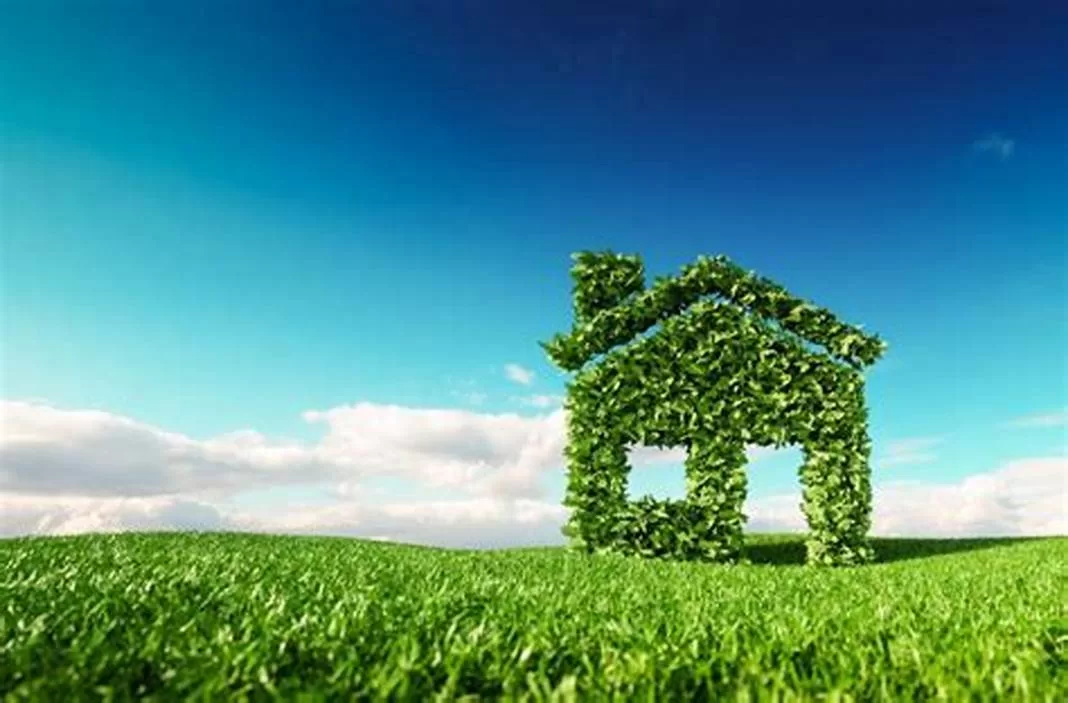
The real estate sector today is witnessing a decisive shift—from being construction-driven to becoming purpose-driven. Developers are increasingly being evaluated not just on what they build, but on how responsibly and thoughtfully they shape the environments people live in.
Sustainability and community-centric planning are no longer differentiators; they are fast becoming expectations. As cities expand and urban pressures intensify, the need for developments that balance environmental responsibility with everyday liveability has never been more relevant.
Keeping in mind these evolving market dynamics, developers such as Satyam Developers are integrating sustainability into the core of their planning approach. This is reflected in the adoption of systems like rainwater harvesting, which allows developments to conserve and reuse natural water resources—an increasingly critical need in urban India.

In addition, the use of sewage treatment plants enables treated water to be reused for non-potable applications such as landscaping and maintenance. Such systems not only reduce dependency on external water sources but also promote a more efficient and responsible use of resources within residential developments.
Energy efficiency is another area seeing greater focus. The integration of solar panels, particularly for powering common areas, is gradually becoming a practical solution. Beyond its environmental benefits, this approach has a direct impact on residents by reducing overall electricity consumption and, in turn, lowering maintenance costs—making sustainability both functional and economically viable.
However, the conversation around future-ready developments extends beyond environmental measures. Increasingly, the emphasis is also on creating communities that cater to the diverse needs of residents across age groups.
Modern homebuyers are seeking more than just well-constructed homes—they are looking for environments that support a balanced lifestyle. This has led to a stronger focus on designing spaces that encourage interaction, well-being, and inclusivity. From dedicated zones for children and seniors to shared recreational and social spaces, developments today are being planned as integrated communities rather than standalone buildings.
The shift is subtle yet significant. It reflects an understanding that the true value of a development lies not just in its construction quality, but in the experience, it offers over time.
In many ways, the approach is being adopted by developers such as Satyam Developers reflects a larger industry shift—where building responsibly and designing for community living are no longer choices, but the foundation of future-ready development.