

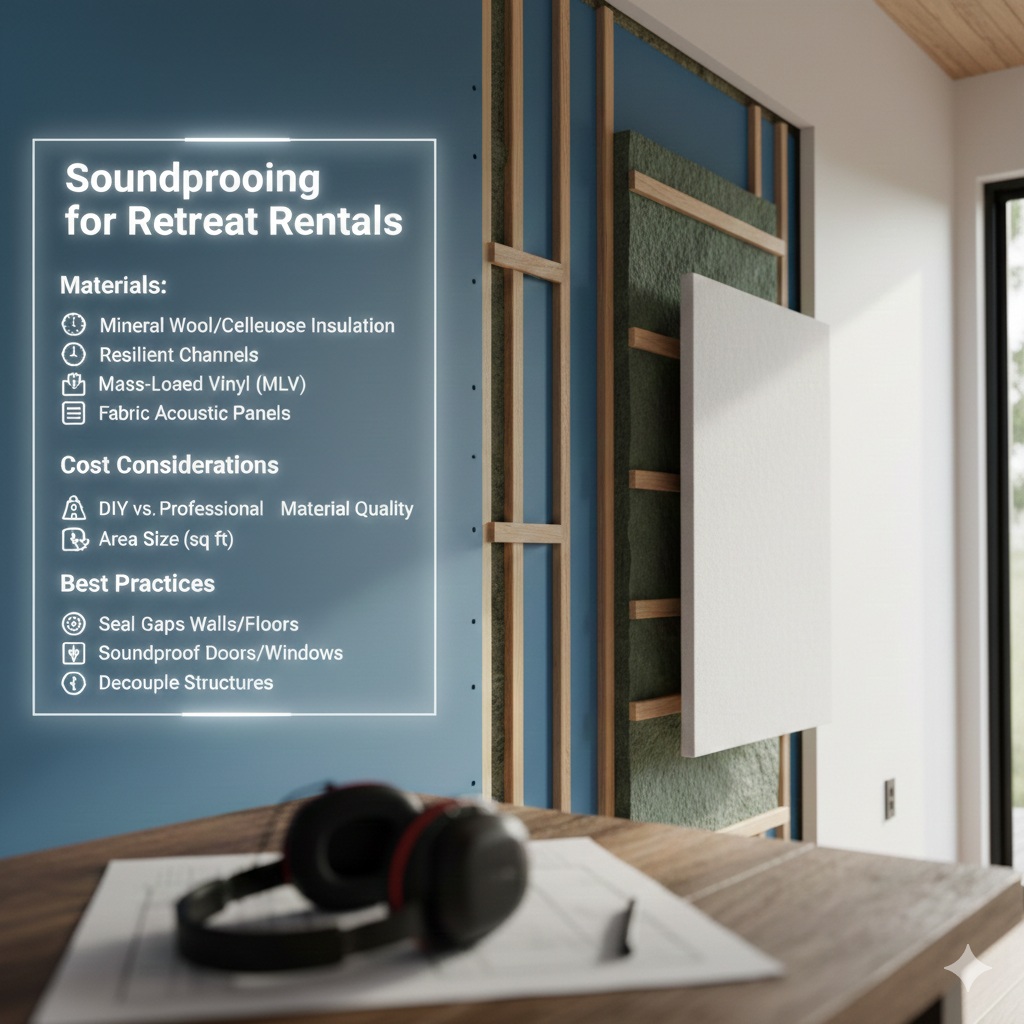
Retreat rentals whether marketed to creatives, wellness seekers, or vacationers thrive on ambience, privacy, and comfort. A key component of that comfort is acoustic control. Guests often choose retreat properties like an artist cottage Woodstock for peace, inspiration, and escape from everyday noise. If your rental suffers from external street noise, thin walls, loud HVAC equipment, or poor acoustics inside, the experience and reviews can suffer.
Soundproofing is not just about eliminating noise, it’s about creating an environment that supports rest, artistic focus, and relaxation. But achieving effective sound control involves understanding the fundamentals of how sound behaves and how materials and building techniques respond.
This guide will walk you through how to approach soundproofing holistically from material choices and installation strategies to budgeting and maintenance so you can make informed decisions for your retreat rental.
What Is Soundproofing And Why It Matters for Retreat Rentals
Sound Transmission vs. Sound Absorption
It’s critical to distinguish between two acoustic concepts:
- Sound Transmission – the travel of sound through structures (walls, floors, ceilings, doors). Soundproofing focuses on reducing this.
- Sound Absorption – reducing sound within a space to minimize echoes and reverberation.
An effective retreat environment often requires both: blocking external noises (soundproofing) and taming internal reflections (acoustic treatment).
Why It Matters for Retreats
Retreat guests tend to:
- Seek quiet for sleep, meditation, creative work, or yoga.
- Be willing to pay a premium for tranquility.
- Compare reviews for comfort and noise complaints are common deal‑breakers in vacation rental feedback.
In artistic communities like Woodstock known for creativity, gatherings, and scenic solitude managing sound is part of delivering the brand promise: a place to create without distraction.
Principles of Soundproofing
Before choosing materials and techniques, it helps to understand how sound behaves:
1. Sound Travels Through Vibrations
Sound is a vibration wave. These waves move through air and solid structures. When a guest hears traffic or loud neighbors, the sound may be:
- Airborne (voices, music, traffic)
- Structureborne (footsteps, plumbing, appliances)
Different strategies address these different transmission paths.
2. Mass, Damping, Decoupling
Two foundational concepts in soundproofing are:
- Mass — heavier, dense materials block sound more effectively.
- Decoupling — separating structures so vibrations can’t pass easily (e.g., floating floors, resilient channels).
- Damping — converting vibration energy into negligible heat via viscoelastic materials (e.g., Green Glue).
Effective soundproofing often combines all three.
3. STC (Sound Transmission Class) and NRC (Noise Reduction Coefficient)
- STC measures how well a material blocks sound transmission.
- NRC measures how well a material absorbs sound within a room.
For retreat rentals:
- High STC walls/doors/windows help block noise from outside/other units.
- Moderate NRC interior panels improve comfort by reducing echo.
Common Sources of Noise in Retreat Rentals
Before you plan, identify likely noise sources:
External
- Street traffic
- Nearby properties or event venues
- Lawn equipment
- Wind and weather
Internal
- Thin walls/ceilings
- HVAC systems
- Plumbing/drains
- Appliances
- Foot traffic on second‑story floors
- Music from guests
Each source requires tailored strategies.
Materials for Soundproofing: What Works and Why
Below are the major categories of materials you can use categorized by purpose and performance.
Structural Sound Barriers
These materials increase the mass and isolation of walls, ceilings, and floors.
1. Drywall Upgrades
- Standard Drywall — baseline with limited sound blocking.
- Double layers of drywall — adding layers significantly increases mass and STC.
- Soundproofing Drywall (e.g., QuietRock) — factory‑made panels with embedded damping layers. Higher cost, easier install.
Typical cost range per square foot (materials only):
- Standard drywall: $0.40 – $0.60
- Double drywall: Additional $0.40 – $0.60 per layer
- Soundproofing drywall: $2 – $4+
Tip: Layered drywall with damping (like Green Glue) sandwiched between yields excellent results without fully custom systems.
2. Green Glue / Damping Compounds
- Used between drywall layers.
- Converts vibration into heat dramatically reduces sound transfer.
- Cost: ~$0.50 – $0.75 per square foot of coverage.
Green Glue is one of the most cost‑effective upgrades for wall/ceiling soundproofing.
3. Mass Loaded Vinyl (MLV)
- Dense, flexible barrier sheet.
- Works behind drywall or within cabinets.
- Excellent for blocking low frequencies.
Cost: ~$2 – $4+ per square foot.
Use cases: Behind walls facing busy roads; between apartment walls; behind entertainment systems.
Decoupling & Isolation
These strategies prevent vibration from traveling through structure.
1. Resilient Channels
Metal strips attached perpendicular to studs/joists that drywall is attached to.
- Interrupt structural vibration path.
- Add modest cost for noticeable benefits.
Cost: ~$0.40 – $0.60 per foot installed.
2. Isolation Clips & Hat Channel Systems
More advanced than simple channels:
- Clips attach to studs
- Hat channels attach to clips
- Creates a “floating” wall surface
Cost: $1.50 – $3.50+ per square foot installed, but highly effective.
Best for: Ceilings above noisy living spaces and floors above gathering areas.
Windows & Doors Critical Leak Points
Even the best wall system fails if windows and doors leak noise.
Windows
- Single‑pane: poor sound control
- Double‑pane: adequate for many retreats
- Laminated Acoustic Windows: thick inner layer absorbs vibration
- Secondary glazing / storm panels: add isolation
Cost (materials approximate):
- Double‑pane retrofit: $200 – $600 per window
- Acoustic laminated: $400 – $1,000+ per window
- Secondary glazing: $150 – $500 per window
Note: Proper sealing and caulking matters as much as glass type.
Doors
- Hollow core doors are very poor at blocking sound.
- Solid core doors significantly improve privacy.
- Add acoustic seals around the perimeter and threshold sweeps.
Cost:
- Solid core door slab: $150 – $400
- Acoustic door seals + sweep: $20 – $80
Installing well gaps around doors are among the biggest weak points.
Floor & Ceiling Treatments
Carpet & Underlayments
- Carpet with thick padding reduces impact noise (footsteps).
- Cork underlayment under wood flooring can also help.
Cost: $2 – $6+ per square foot installed.
Acoustic Underlayments for Hard Floors
Rubber, cork, or specialized underlayments block vibration between floors.
Cost: $2 – $8+ per square foot.
Interior Acoustic Treatment (Not Soundproofing but Very Helpful Inside Rooms)
These don’t block noise from escaping/entering, but they improve guest experience inside the space:
- Acoustic panels / fabric wall tiles
- Bass traps for music or creative studios
- Ceiling clouds
- Thick curtains / drapes
Cost: Varies widely $20 for DIY panels to $150+ per professional panel.
Combining absorption with soundproofing creates a more satisfying environment.
Cost Planning Estimates & Budgeting
Below are rough budget expectations for different scales of retreat properties. Actual costs depend on local labor rates, materials availability, and scope.
Small Artist Cottage (1–2 Rooms)
Scope: One bedroom, one living area, small kitchen.
- Basic soundproofing (doors, windows, sealing): $1,000 – $3,000
- Intermediate (double drywall + Green Glue, upgraded doors/windows): $3,000 – $7,000
- High performance (decoupling channels, acoustic windows, floors): $7,000 – $15,000+
Medium Retreat Suite (2–3 Rooms + Bath)
- Basic: $2,000 – $5,000
- Intermediate: $5,000 – $12,000
- High performance: $12,000 – $25,000+
Large Property or Multi‑Unit Retreat
- Basic: $5,000 – $15,000
- Intermediate: $15,000 – $40,000
- High performance: $40,000 – $100,000+
Remember: Soundproofing returns value over time via better reviews, higher occupancy, and premium pricing for privacy.
Step‑by‑Step Best Practices
1. Conduct a Sound Audit
Before you invest:
- Walk the property at different times of day.
- Use a smartphone sound meter app for rough comparison.
- Note walls facing noise sources.
- Listen for flanking paths (HVAC ducts, gaps, outlets).
Documenting existing issues informs the right solution.
2. Seal All Air Paths
Sound leaks through the smallest gaps:
- Use acoustic caulk around frames and penetrations.
- Seal electrical outlets with foam gaskets.
- Weatherstrip doors and windows.
This low‑cost step significantly boosts returns.
3. Prioritize Where Noise Matters Most
Not all spaces need the same treatment:
- Guest bedrooms: highest priority
- Bathrooms next (privacy + water noise)
- Living areas for social noise
- Studios/music spaces for both isolation and internal acoustics
Focus spending where guests value it most.
4. Combine Strategies
No single material solves all issues. Use layered approaches:
- Mass (drywall) + damping (Green Glue) + decoupling (channels)
→ walls/ceilings - Carpet + underlayment
→ floors - Upgraded windows + seals
→ exterior envelope
This integrated approach yields the best results within budget.
5. Maintain Functionality and Aesthetics
Retreat guests care about both comfort and appearance:
- Choose acoustic panels that double as decor
- Use rugs and textiles to soften sound and warm spaces
- Integrate soundproofing into existing design rather than retrofitting visibly
Balance performance with ambience.
6. Test After Installation
Once installed:
- Re‑measure noise levels
- Walk through with playback sources
- Identify problem spots and seal further
Testing ensures the investment makes a measurable difference.
Case Examples (Hypothetical for an Artist Cottage in Woodstock)
Example 1: Cozy One‑Bedroom Cottage Facing a Road
Problems:
- Traffic noise in living room and bedroom
Solutions:
- Double drywall with Green Glue on exterior walls
- Laminated acoustic windows + secondary glazing
- Solid core doors + seals
- Thick curtains
Estimated cost: $8,000 – $12,000
Outcome: Traffic reduced to a whisper at night, guests report quieter sleep.
Example 2: Artistic Workspace Attached to Main Living Area
Problems:
- Footsteps from upstairs studio
- Echo in creative room
Solutions:
- Floating floor system with rubber underlayment
- Ceiling decoupling channel in living area below
- Acoustic panels for internal absorption
Estimated cost: $10,000 – $18,000
Outcome: Creative space is usable any hour without disturbing others.
Common Mistakes to Avoid
Treating Only One Surface
Sound travels around barriers. If you only upgrade walls but leave windows and doors untreated, results are disappointing.
Ignoring HVAC and Plumbing Noise
These mechanical sounds can carry far:
- Insulate ducts
- Use vibration isolators
- Wrap noisy units in acoustic enclosures (with ventilation)
Over‑Absorbing the Room Internally
Too many thick absorbers can make a space “dead” uncomfortable for conversation. Balance absorption with liveliness.
DIY Without Knowledge of Flanking Paths
DIY panels look nice, but if noise travels through joists, floors, or HVAC ducts, they won’t fix structural transmission.
Materials Comparison: Performance & Uses
| Material | Best Use | Approx STC Improvement | Cost per sq ft | Notes |
| Standard drywall | Baseline walls | Minimal | $0.40–$0.60 | Needs upgrades |
| Double drywall + Green Glue | Walls/ceilings | +10–15 STC | $1.50–$3 | Excellent cost/benefit |
| Soundproof drywall | Walls/ceilings | +8–12 STC | $2–$4 | Easier install |
| Mass Loaded Vinyl | Walls/floors | +10–15 | $2–$4 | Heavy, needs support |
| Resilient channel | Walls/ceilings | +5–10 | $0.40–$0.60/ft | Best when paired |
| Acoustic windows | Window openings | +10–15 | $400–$1,000 | Important weak link fix |
| Solid core doors + seals | Doors | +5–10 | $170–$480 | Cost‑effective |
Final Checklist Before Guests Arrive
Inspect seals at doors/windows
Add threshold sweeps
Test sound levels daytime/nighttime
Provide soft furnishings (rugs, curtains, throws)
Label any sensitive equipment (e.g., don’t slam doors)
Share house tips with guests for quiet hours
Conclusion
Soundproofing for retreat rentals, especially creative and restful spaces like an artist cottage in Woodstock, is both a practical necessity and a competitive advantage. When done thoughtfully, it:
- Enhances guest comfort
- Minimizes complaints
- Boosts ratings and returns
- Supports diverse uses (sleep, yoga, music, creative work)
While costs can vary widely, soundproofing is a long‑term investment that pays back through occupancy and reputation. Using a layered approach combining mass, decoupling, and damping plus addressing doors, windows, and mechanical systems, you create a quiet haven that guests remember.