
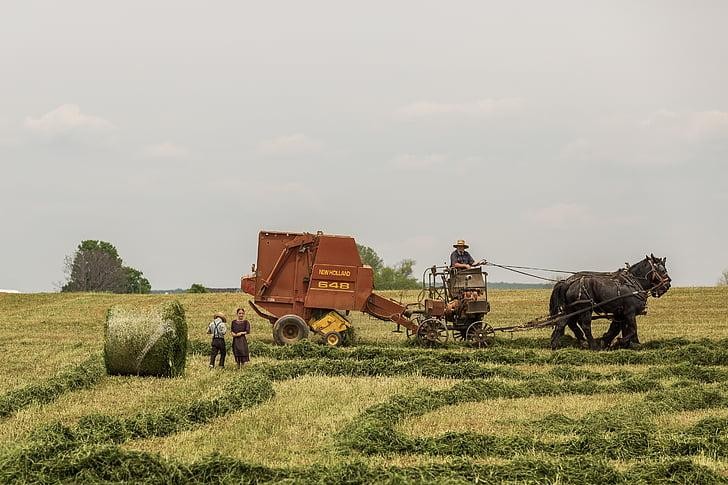
Small farms run on timing. A few delayed chores can quickly affect planting, harvesting, feeding, hauling, storage, and maintenance across the entire property. The tractor may be the main machine, but it is the implement lineup that decides how much useful work that tractor can actually complete. A well-matched set of attachments can help one machine handle mowing, grading, soil preparation, material movement, spreading, cutting, and seasonal cleanup with far less wasted labor.
This is why implement selection should be treated as a planning decision, not a shopping spree. The best tools are the ones that solve repeated problems on the land. A loader may save hours moving compost, gravel, feed, or mulch. A rotary cutter may keep rough edges open. A box blade may keep lanes usable after rain. A tiller may prepare growing areas at the right moment. When every implement has a clear role, the farm becomes easier to manage through changing seasons.
Why Implements Shape Small Farm Efficiency
A small farm often asks one tractor to support many different jobs. That makes attachments essential. Without the right implements, owners may rely too heavily on hand labor, borrowed equipment, or inefficient workarounds. Over time, those delays can cost more than the tool that would have solved the problem in the first place.
For homesteaders, acreage owners, and small-scale farmers trying to improve workflow without adding unnecessary machinery, choosing the right must-have implements can turn a tractor into a more complete farm system for mowing, grading, hauling, soil preparation, spreading, and everyday property maintenance. The goal is not to fill a shed with attachments. The goal is to build a practical lineup that saves time, protects the land, and makes frequent jobs easier to repeat.
Start With Repeated Work, Not Rare Projects
Every farm has a different pattern of labor. Some properties need constant driveway maintenance. Others need pasture clipping, garden preparation, brush control, or material hauling. The smartest implement choices begin with the jobs that happen again and again. Those are the tasks where efficiency gains matter most.
The Core Tools Usually Earn Their Keep First
A front-end loader is often one of the first implements small farms depend on because it handles so many daily tasks. Pallet forks add even more flexibility by helping move seed, feed, fencing material, firewood, and supplies. A rotary cutter is useful for rough ground, field edges, and overgrown areas. A box blade or rear blade helps maintain gravel lanes, level surfaces, and repair washouts. A tiller or disc can support gardens, food plots, and small crop areas.
The right order depends on the property. A farm with long access roads may need grading tools before soil tools. A vegetable-focused homestead may need cultivation and preparation implements earlier. A livestock property may prioritize hauling, bedding, and pasture maintenance. The land should write the shopping list.
Implements and Post-Harvest Infrastructure Work Together
Farm efficiency does not stop when crops leave the field. Post-harvest handling, storage, cooling, sorting, and transport all influence how much value the farm keeps. A grower can produce a strong crop and still lose profit if handling systems are weak. Implements that move, lift, load, spread, and maintain access routes can support that larger post-harvest system.
This connection is especially clear in conversations about cold storage infrastructure in agriculture, where better storage capacity can reduce waste and improve market access. Small farms may not always operate large cold storage facilities, but the principle still applies. Equipment choices should support the full path from field preparation to harvest handling, storage, and delivery.
Storage and Access Matter as Much as the Tool
An implement that is difficult to reach, connect, or store may not get used even when it would help. Good equipment planning includes shed space, safe parking, attachment access, turning room, and maintenance areas. If tools are scattered, buried, or left exposed to weather, their usefulness declines quickly.
Small farms benefit from organizing implements by season and frequency of use. Frequently used attachments should be easy to access. Seasonal implements should be cleaned, inspected, and stored where they can be retrieved without moving half the equipment yard. Efficiency sometimes begins with the humble act of not wrestling a blade out from behind three forgotten relics and a suspicious tarp.
Future Power Systems May Change Farm Equipment Choices
Farm equipment is entering a period of change. Producers are watching fuel costs, emissions discussions, battery development, charging access, and the total cost of ownership more closely than before. Diesel tractors remain central on many farms, but electric equipment is becoming part of the conversation, especially for smaller operations, specialty farms, and properties where quieter operation and reduced fuel dependency may offer advantages.
Reporting on whether electric tractors will gain traction on U.S. farms shows how farmers are weighing new technology against practical concerns such as runtime, charging, cost, and field demands. For small farms choosing implements today, the lesson is to think long term. Attachments, storage systems, and equipment investments should support current needs while leaving room for future machinery changes.
Maintenance Keeps Implements Productive
Implements often work hard and then sit quietly between jobs. That pattern can hide wear. Blades dull, pins loosen, bearings wear, hoses crack, bolts back out, and rust appears where paint has been scraped away. Before each busy season, owners should inspect attachment points, grease fittings, hydraulic lines, cutting edges, wheels, guards, chains, and moving parts.
A simple maintenance record can make the whole system easier to manage. Recording part numbers, service dates, repairs, and usage notes helps owners understand which tools need attention and which ones are delivering the most value. Over time, those records reveal whether an implement is earning its storage space or simply collecting dust like a retired iron dragon.
Brand Section: H&R Agri-Power
H&R Agri-Power supports farmers, homesteaders, acreage owners, and rural property managers who need equipment choices grounded in real work. Small farm implement planning involves more than matching an attachment to a tractor. Buyers must consider horsepower, hydraulic capacity, terrain, storage, seasonal workload, maintenance needs, and the tasks that repeat most often.
That kind of practical guidance helps owners avoid buying too much equipment, too little equipment, or the wrong setup for their property. A knowledgeable equipment source can help farmers build an implement lineup that improves productivity, protects the tractor’s value, and supports smoother work across the entire season.
Conclusion
Small farm efficiency comes from matching tools to real jobs. Implements turn tractor power into useful work by supporting mowing, hauling, grading, soil preparation, material movement, and seasonal maintenance. The best lineup is not the biggest collection. It is the set of attachments that solves the farm’s most frequent problems with the least wasted effort.
A strong equipment plan also looks beyond the field. Storage, post-harvest handling, maintenance, future power systems, and property layout all affect how useful implements become. When each tool has a clear purpose and proper care, the farm gains a steadier workflow, stronger productivity, and better control over the work that returns with every season.