
As per Growth Market Reports, the global dynamic tint skylight market size reached USD 3.12 billion in 2024, driven by increasing demand for energy-efficient and smart building solutions. The market is exhibiting robust momentum, registering a CAGR of 11.8% between 2025 and 2033. By 2033, the dynamic tint skylight market is expected to reach USD 8.36 billion, reflecting the sector’s dynamic growth trajectory. This surge is primarily attributed to rapid advancements in smart glass technologies, growing emphasis on sustainability, and the rising adoption of automation across residential, commercial, and industrial sectors.
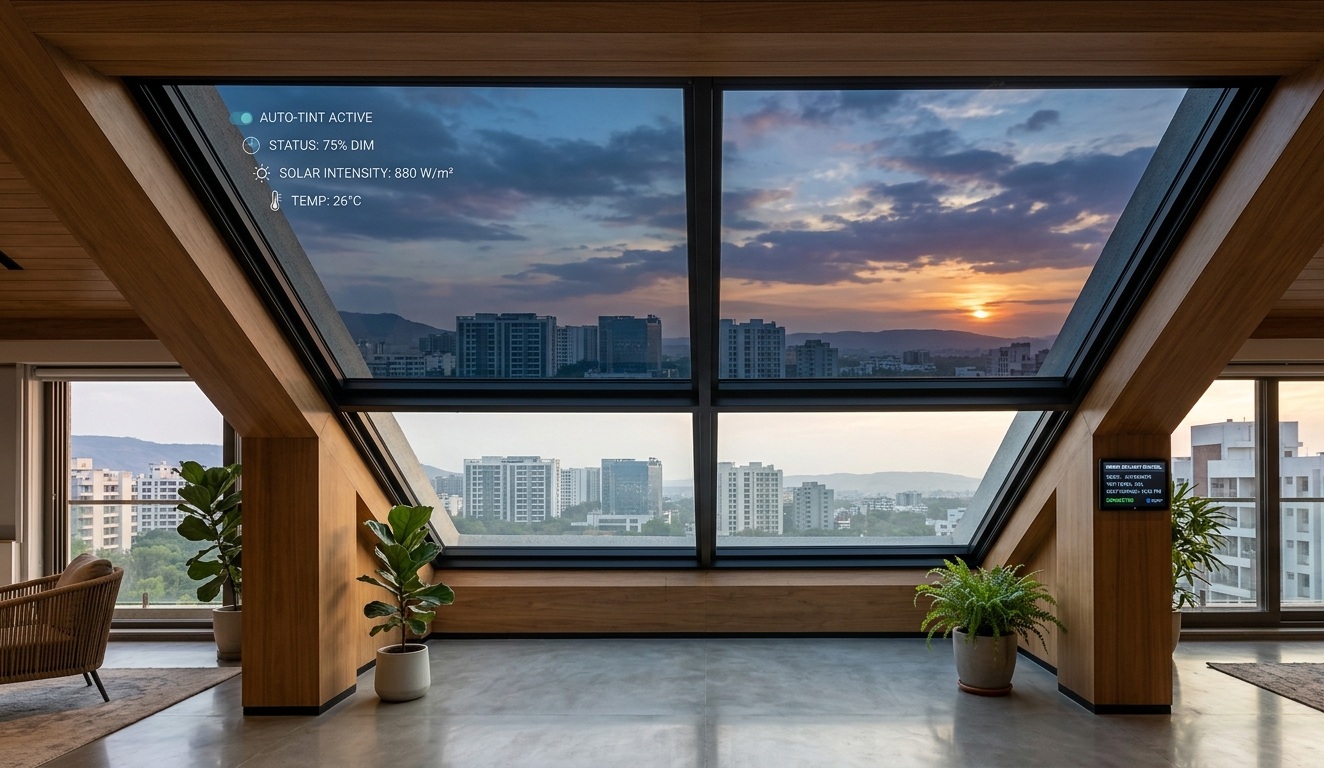
The Dynamic Tint Skylight Market is emerging as one of the most innovative segments within the broader smart building and architectural glazing industries. As modern construction increasingly prioritizes energy efficiency, occupant comfort, and sustainability, dynamic tint skylights are becoming an attractive solution for residential, commercial, and institutional spaces. Unlike conventional skylights that permit a fixed amount of daylight regardless of environmental conditions, dynamic tint skylights can automatically or manually adjust their transparency to regulate heat gain, glare, and light transmission.
Market Evolution and Industry Development
The dynamic tint skylight industry has evolved considerably from its early experimental phase. Initially regarded as premium architectural products reserved for luxury developments, these systems are gradually becoming accessible to mainstream construction projects.
Technological advancements have improved switching speeds, enhanced durability, and reduced manufacturing costs. Simultaneously, growing awareness of environmental challenges has encouraged architects and developers to seek building materials capable of supporting sustainability objectives.
The evolution of smart homes and intelligent commercial buildings has further accelerated adoption. Modern consumers increasingly expect building systems to provide automation, convenience, and personalized experiences. Dynamic tint skylights align perfectly with these expectations by integrating seamlessly into broader smart building ecosystems.
Technological Innovations Shaping the Market
Continuous innovation remains central to the growth trajectory of the Dynamic Tint Skylight Market. Manufacturers are investing heavily in research aimed at enhancing product performance and affordability.
Recent developments include faster tint transition speeds, improved color neutrality, extended operational lifespans, and lower power requirements. Advances in materials science have expanded the range of available tint levels while preserving transparency and visual clarity.
Some manufacturers are exploring photovoltaic integration, enabling skylights to generate renewable energy while regulating daylight. Others are developing predictive algorithms capable of adjusting tint settings based on anticipated weather conditions.
Artificial intelligence may eventually enable highly personalized environmental experiences by learning occupant preferences and optimizing skylight performance automatically.
Market Challenges and Constraints
Despite promising growth prospects, the market faces several obstacles that could influence adoption rates.
High initial installation costs remain one of the most significant barriers. Dynamic tint skylights require specialized materials, advanced manufacturing processes, and sophisticated control systems. Budget-sensitive projects may therefore favor conventional glazing alternatives.
Limited awareness among certain customer segments also restricts market penetration. Many potential buyers remain unfamiliar with the long-term operational benefits associated with dynamic glazing technologies.
Installation complexity can present additional challenges, particularly when retrofitting older structures. Integrating control systems and ensuring compatibility with existing infrastructure may require specialized expertise.
Manufacturers must continue educating stakeholders while pursuing cost reductions to unlock broader market acceptance.
Future Outlook
The future of the Dynamic Tint Skylight Market appears highly promising. As technology matures and production scales increase, pricing is expected to become more competitive. Enhanced consumer awareness and expanding smart building ecosystems will likely reinforce market momentum.
The convergence of sustainability objectives, digital innovation, and occupant-centric design philosophies creates a favorable environment for long-term growth. Dynamic tint skylights are transitioning from niche architectural features into practical solutions capable of addressing contemporary building challenges.
Their ability to harmonize natural light, thermal performance, and user comfort positions them at the forefront of next-generation building design.
Competitive Landscape
Prominent companies operating in the market are:
- Saint-Gobain SA
- SageGlass (a subsidiary of Saint-Gobain)
- View Inc.
- Gentex Corporation
- AGC Inc. (Asahi Glass Co.)
- Smartglass International
- Polytronix Inc.
- Research Frontiers Inc.
- PPG Industries Inc.
- Guardian Glass
- SCHOTT AG
- Halio Inc.
- RavenWindow
- Kinestral Technologies Inc.
- Pleotint LLC
Source: https://growthmarketreports.com/report/dynamic-tint-skylight-market