
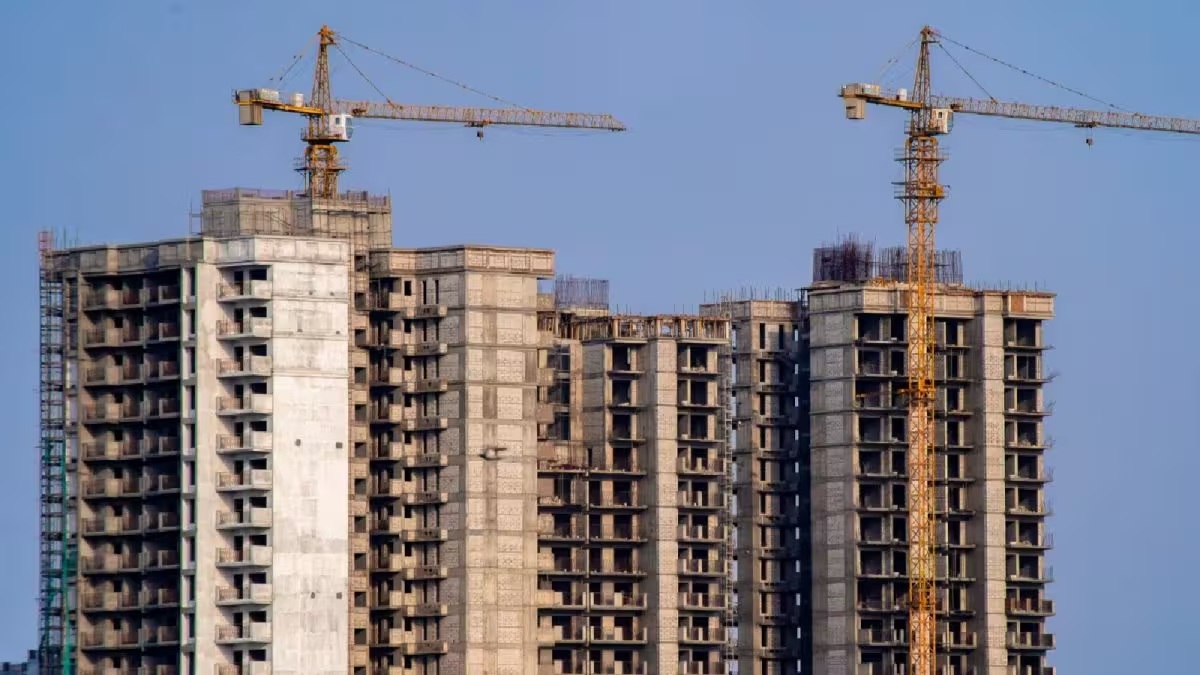
As the climate crisis intensifies, the global conversation is shifting beyond carbon emissions to a deeper and equally urgent challenge: resource depletion. The built environment, while essential to economic growth and urban development, remains one of the world’s most resource-intensive industries consuming enormous quantities of virgin raw materials while generating equally vast volumes of waste. From sand shortages and dwindling limestone reserves to rising energy demands in cement production, the pressures on natural resources are no longer distant concerns; they are immediate constraints shaping the future of construction.
In this context, the traditional linear model of “take, make, discard” is rapidly becoming unsustainable. The construction industry must evolve and with that evolution comes a new imperative: the circular mandate.

Circular Construction: A Necessity, Not a Choice
Circular construction represents a fundamental shift in how buildings and infrastructure are designed, sourced, and built. It is not simply about recycling materials after use; it is about intentionally designing systems where waste becomes a valuable input, materials remain in circulation longer, and dependence on virgin extraction is reduced from the outset.
According to the United Nations Environment Programme (UNEP), construction material use is among the fastest-growing contributors to global resource depletion. The built environment accounts for more than half of all extracted raw materials and generates over one-third of total global waste. At the same time, agricultural and industrial by-products including fly ash, slag, crop residues, and mineral waste—are often treated as disposal burdens rather than strategic material assets.
This creates a dual environmental failure: ecosystems are continuously depleted to supply fresh construction materials, while usable by-products are burned, dumped, or landfilled, worsening pollution and greenhouse gas emissions.
Circular construction offers a clear alternative one where waste is no longer viewed as a liability, but as structural capital.
Turning Waste into Structural Assets
Agricultural residues and industrial by-products hold untapped mineral value and, in many cases, stored carbon that can be re-engineered into high-performance building materials. By converting these waste streams into structural products, the industry can simultaneously address resource scarcity, reduce emissions, and lower environmental impact.
Every tonne of agricultural waste diverted from open burning helps reduce air pollution and black carbon emissions. Every tonne of industrial by-product reused in construction reduces the need for energy-intensive virgin material extraction. Together, these shifts create cleaner air, more resilient supply chains, and stronger climate outcomes.
This is where companies lare pioneering transformative solutions. Operating at the intersection of circularity and climate innovation, GreenJams converts agricultural residues into durable, carbon-storing construction materials such as Agrocrete®, redefining waste as a valuable building resource.
By embedding agricultural biomass into structural materials, GreenJams helps divert waste from harmful disposal practices, reduce reliance on cement-heavy alternatives, and integrate carbon storage directly into the built environment.
Why Circular Construction Matters for India
For rapidly urbanising economies like India, the circular mandate carries even greater urgency. On one hand, rapid infrastructure growth is driving soaring demand for concrete, bricks, and steel. On the other, seasonal crop residue burning continues to contribute significantly to hazardous air pollution and climate-warming black carbon emissions. Circular construction provides a powerful systems-level solution by connecting these two challenges.
Treating agricultural waste as a construction input transforms an environmental liability into an economic opportunity. It helps reduce air pollution, strengthens domestic material security, and creates localized supply chains that are less vulnerable to global resource price volatility. The benefits extend beyond emissions reduction. Circular materials can reduce pressure on land, water, and energy resources, lower transportation demand through localized sourcing, and significantly cut Scope 3 emissions across the construction value chain. This is not just environmental stewardship, it is strategic resilience.
Circularity as the New Procurement Standard
As governments, investors, and industries place increasing emphasis on carbon accountability and sustainable sourcing, circular construction is moving beyond innovation into procurement policy. The question is no longer whether circular construction is desirable, but whether it is becoming unavoidable.
Building more with less less extraction, less waste, and less carbon—is the only path compatible with planetary boundaries.
The future of construction lies not in mining deeper, but in re-engineering what we already discard. Turning industrial and agricultural waste into structural assets is no longer a niche sustainability initiative; it is the foundation of a climate-aligned, resource-secure built environment. The circular mandate is clear: waste must become the building block of the future.