
The idea of what makes a “good home” has been fundamentally redefined. It’s no longer just about comfort, aesthetics, or social status; it’s about how well a space supports everyday life in its most real sense. Health, once something we responded to only when it faltered, is now seen as something to be sustained, protected, and built into daily living. The pandemic didn’t create this awareness so much as it brought it sharply into focus, amplifying concerns around access to care, response time in moments of urgency, and the importance of living environments that don’t work against your well-being. Hence, a home today is expected to do more than simply house its residents—it is expected to quietly support, protect, and enable life as it unfolds.
This shift is also reshaping how people define “good living” itself. Not too long ago, the benchmarks were fairly straightforward, being close to work, having access to lifestyle amenities like clubhouses or retail, and the promise of steady price appreciation. Today, those markers feel incomplete. Location is being evaluated through a more practical lens: how close you are to dependable medical support, and how quickly support can be accessed when it matters. Amenities are less about indulgence and more about everyday well-being—natural light, cleaner air, walkable spaces, and environments that reduce rather than add to daily stress. And value, increasingly, is not just about returns, but about how sustainably a home can support you over time.
At the heart of this shift are a few defining priorities that are shaping how homes are chosen and experienced. The first is proximity to medical infrastructure. Hospitals, clinics, and diagnostic centres are no longer peripheral conveniences; they are becoming central to decision-making, offering a sense of reassurance that matters across age groups, from families with children to elderly residents, and even younger professionals who now think more consciously about health security. Developments like CRC Joyous in Techzone-4, Greater Noida West, reflect this thinking by situating themselves within emerging urban pockets where access to essential services, including hospitals and essential care networks, is part of the larger planning fabric rather than an afterthought.
Abhinav Jain, VP-Sales and Marketing, CRC Group, says, “Homebuyers today are looking at residential spaces very differently. The conversation has moved beyond just amenities or location advantages to something far more personal; how comfortably and confidently a home can support everyday life. People want environments that reduce stress, encourage healthier routines, and offer easy access to essential healthcare when needed. At CRC Joyous, we’ve tried to approach planning with that mindset, creating a living environment that feels open, connected, and reassuring in a way that naturally supports long-term well-being.”
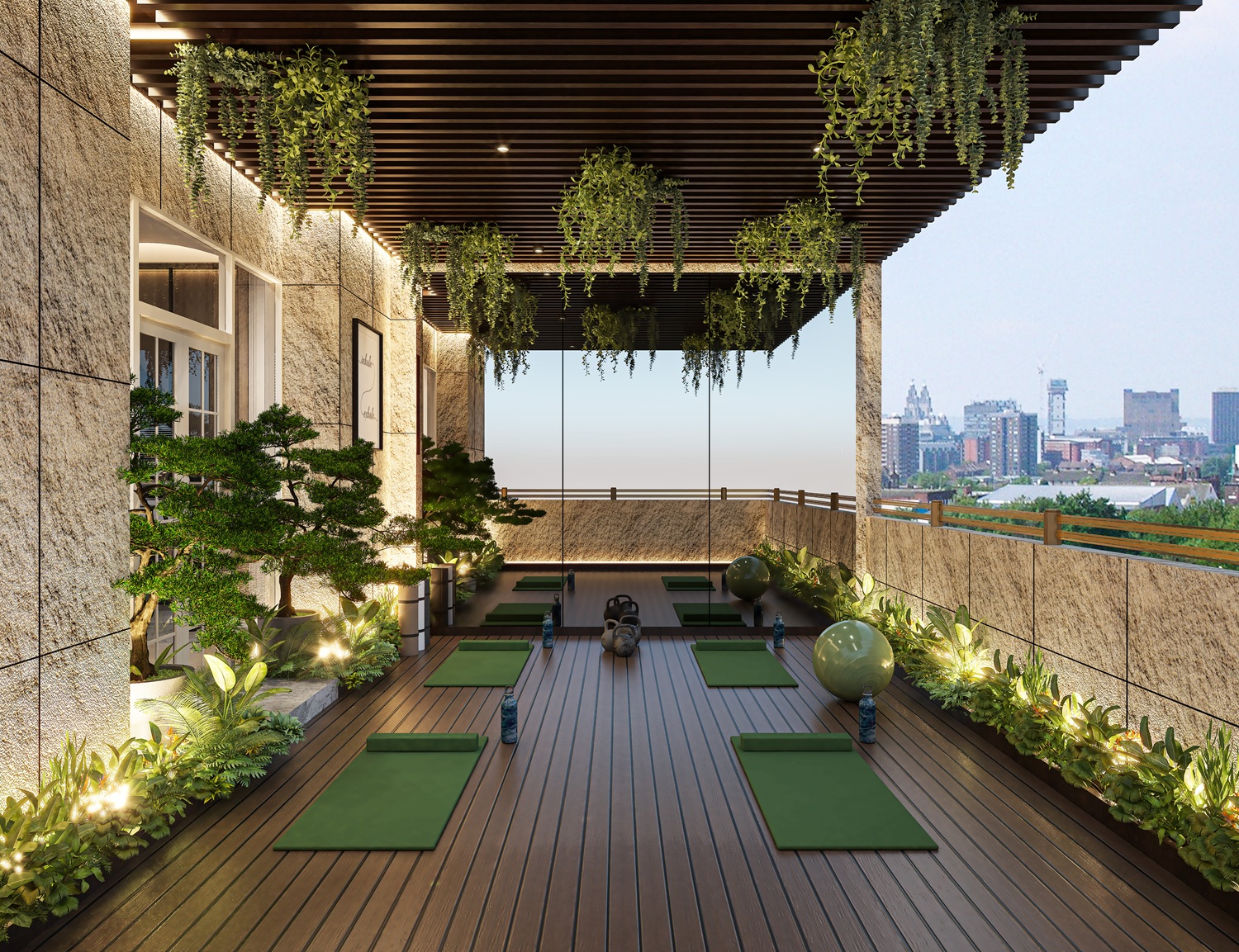
Alongside this is a growing emphasis on preventive wellness as part of everyday design. Features like open, breathable spaces, better ventilation, walkable layouts, and lower-density planning are valued not as indulgences, but as essentials that support both physical and mental well-being. At CRC Joyous, this philosophy is reflected in the way the residential environment has been envisioned– not as a space where wellness is treated as an added layer, but as something that naturally emerges from thoughtful planning, openness, and the overall experience of daily living.
There is also a noticeable shift toward thinking long term. Buyers are looking beyond immediate appeal, considering how a home will support them over the next decade or more—as a space that can adapt to ageing, recovery, and the evolving rhythms of life. CRC Joyous aligns with a more considered approach to living—one that prioritises continuity, ease, and the quiet assurance that a home can support you not just in the present, but over time.
Seen in this light, healthcare-led living is less a passing preference and more a deeper structural shift in how housing is being understood. The conversation is moving away from aspirational packaging toward homes that offer greater functional depth and emotional reassurance. Increasingly, the true measure of a residential space will lie in how well it supports everyday resilience—how it responds to routine as much as it does to moments of uncertainty. In the years ahead, the definition of good living is likely to rest not on how luxurious a home appears, but on how prepared it is to hold life in all its realities, quietly and consistently.