For nearly two decades, Gurugram and Noida have been the face of North India’s real estate market. Strong corporate ecosystems, solid infrastructure and steady job creation turned these cities into the region’s go-to investment destinations. But land prices are rising, supply is tightening, and development costs keep climbing in these mature markets, so investors are starting to look past NCR’s usual hotspots. This is part of a broader shift in how people invest. Instead of putting all their bets on established markets, investors are now looking at emerging cities where infrastructure, industry and affordability are coming together. Panipat, long known as Haryana’s textile and manufacturing hub, is one of these cities on the rise.
The timing matters. India’s real estate sector is still riding the wave of rapid urbanisation, infrastructure growth and steady housing demand. However, the next big wave of value creation won’t come from crowded metro markets. It will come from well-connected regional cities turning into economic centres in their own right.
Infrastructure Reshapes Investment Maps
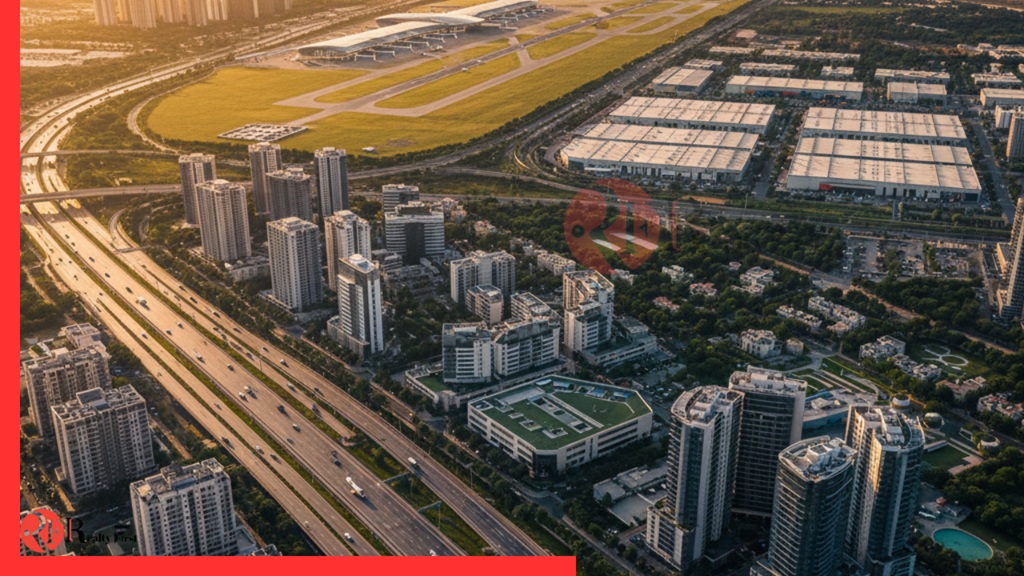
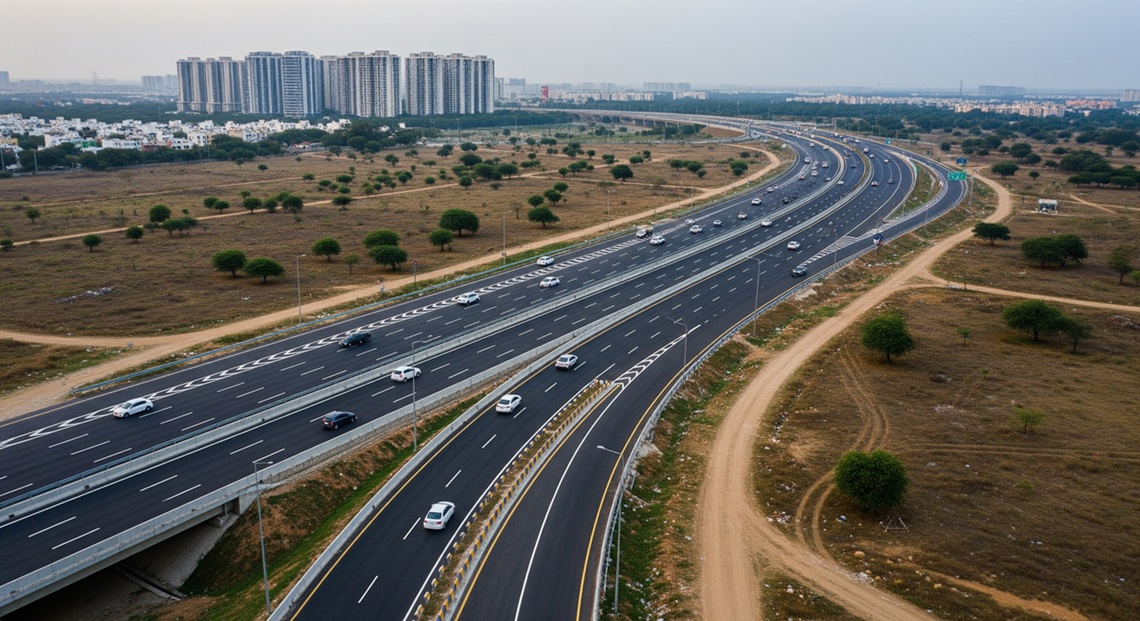
Infrastructure has always been one of the most powerful drivers of real estate appreciation and Panipat is capitalizing on this structural shift. The city is well connected with the National Highway 44 and has direct connectivity with the capital city of Delhi, Chandigarh and other major markets in the north. The operational KMP Expressway and Eastern Peripheral Expressway have significantly improved connectivity in the region, reducing travel times and improving logistics efficiency for both businesses and home buyers.
But its strategic value is not limited to connectivity. Panipat is in the influence zones of the Delhi-Mumbai Industrial Corridor and the Amritsar-Kolkata Industrial Corridor. The Make in Haryana Industrial Policy 2026 tags it as a key manufacturing district, and there are plans for a dedicated textile export promotion park and an inland container depot to firm up its place as an integrated manufacturing and logistics hub.
This is part of a larger trend across the country, where expressways, industrial corridors and multi-modal transport networks have transformed from a mere infrastructure project to a powerful tool for regional economic transformation and re-allocation of real estate investments.
Industrial growth drives demand for housing.
Unlike markets driven largely by speculation, growth in Panipat is supported by a diversified economic base built around textiles, handloom, petrochemicals and manufacturing. As industrial activity expands and supply chains become more sophisticated, there is increasing demand for organised housing, commercial developments, retail infrastructure, and employment.
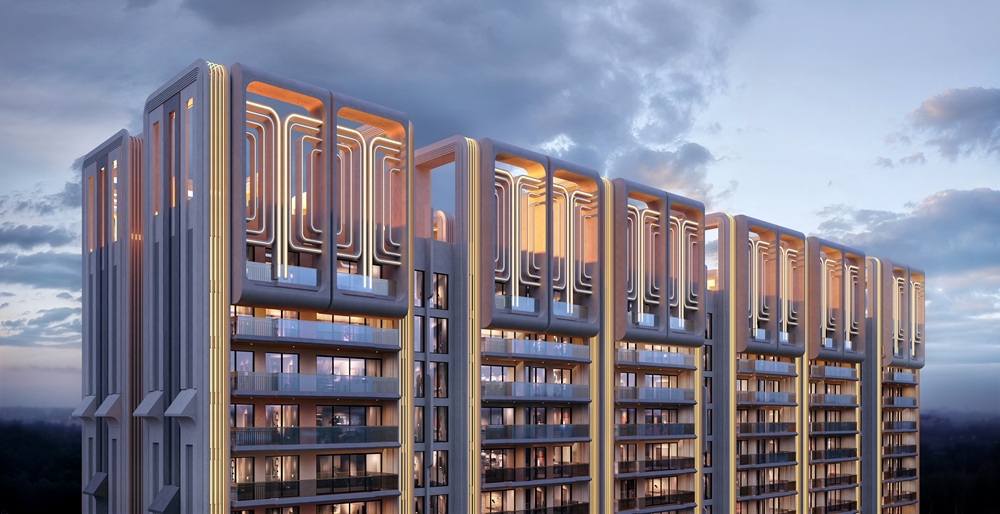
The homebuyer profile is also shifting as rising incomes among entrepreneurs, business owners and professionals are driving demand for premium plotted developments, gated communities, independent floors and modern apartments, with buyers now prioritising landscaped open spaces, clubhouses, wellness amenities and integrated community infrastructure over price and location alone.
This employment-led demand makes for a more resilient residential market, since housing backed by local industry and growing businesses tends to hold up over time more than cycles driven purely by investor sentiment, while also strengthening commercial and retail activity across the city.
Affordability Steers Investor Interest
Affordability remains one of the strongest reasons investors are widening their search beyond Gurugram and Noida. Residential prices across Delhi-NCR’s established luxury markets have appreciated sharply in recent years, with ANAROCK Research reporting a nearly 72 percent rise in average luxury housing prices between 2022 and 2025, even as Knight Frank India separately reported a 19 percent year-on-year jump in capital values.
As entry costs keep climbing, investors are turning to emerging cities offering lower acquisition costs alongside stronger long-term appreciation potential, a shift also visible in developer strategy. National developers, once concentrated almost exclusively in metro, have steadily expanded across the wider region, reflecting confidence that the next phase of residential demand will come from cities backed by infrastructure expansion, industrial growth and improving urban amenities. For the long-term investor, affordability means a lower entry point, but also the opportunity to get in on a city’s growth cycle before infrastructure and economic development are fully priced in.
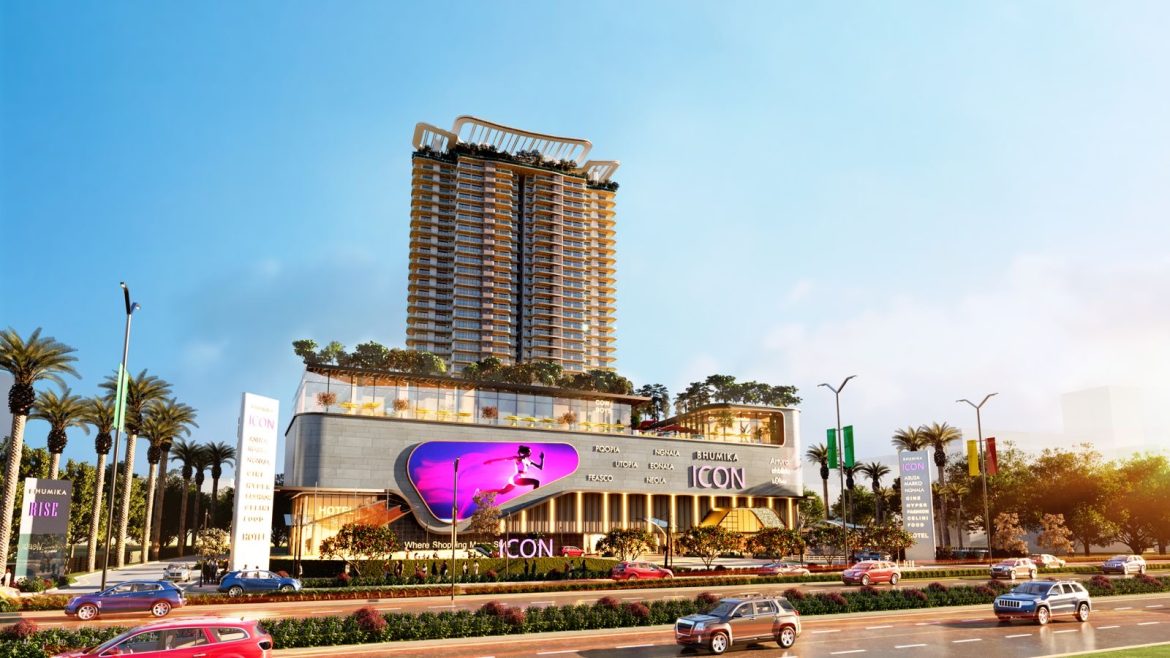
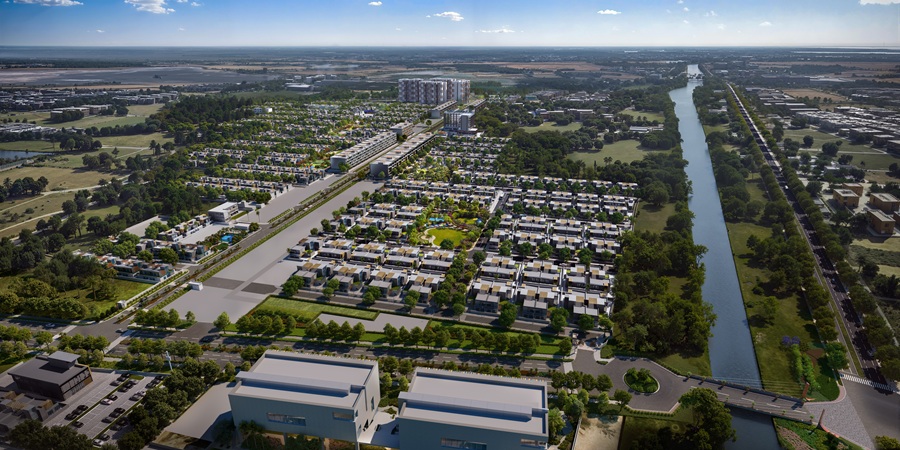
Modern homebuyers seek more than stand-alone residential projects – they want integrated communities that combine homes with retail, green spaces, healthcare, education and social infrastructure that offer convenience and improve overall liveability. Upcoming cities like Panipat are well placed to deliver this, since larger land parcels and greater planning flexibility let developers build thoughtfully designed townships rather than retrofit ageing urban environments. This approach enhances the resident experience while fostering greater long-term appreciation.
The Road Ahead
North India’s investment story is moving from concentration to diversification. Investors are no longer looking at Gurugram and Noida as the only growth drivers. Still, they are now eyeing a wider network of well-connected regional cities that offer a blend of infrastructure, industry, and affordability, with Panipat as an example of this shift. Its strategic location, burgeoning industrial ecosystem, improving connectivity and evolving residential landscape are setting the stage for sustainable long-term growth, not short-term speculation.
As India urbanises, the performance of future real estate will be less about proximity to traditional metros and more about local economic strength. Investment in infrastructure, employment generation and integrated urban planning will be the key demand drivers. The question for investors is no longer whether growth will extend beyond NCR’s well-established markets, but which emerging cities are best placed to capture it. Panipat is gradually emerging as one of those locations where infrastructure, industry and changing lifestyles are converging to write the next chapter of North India’s real estate story.