
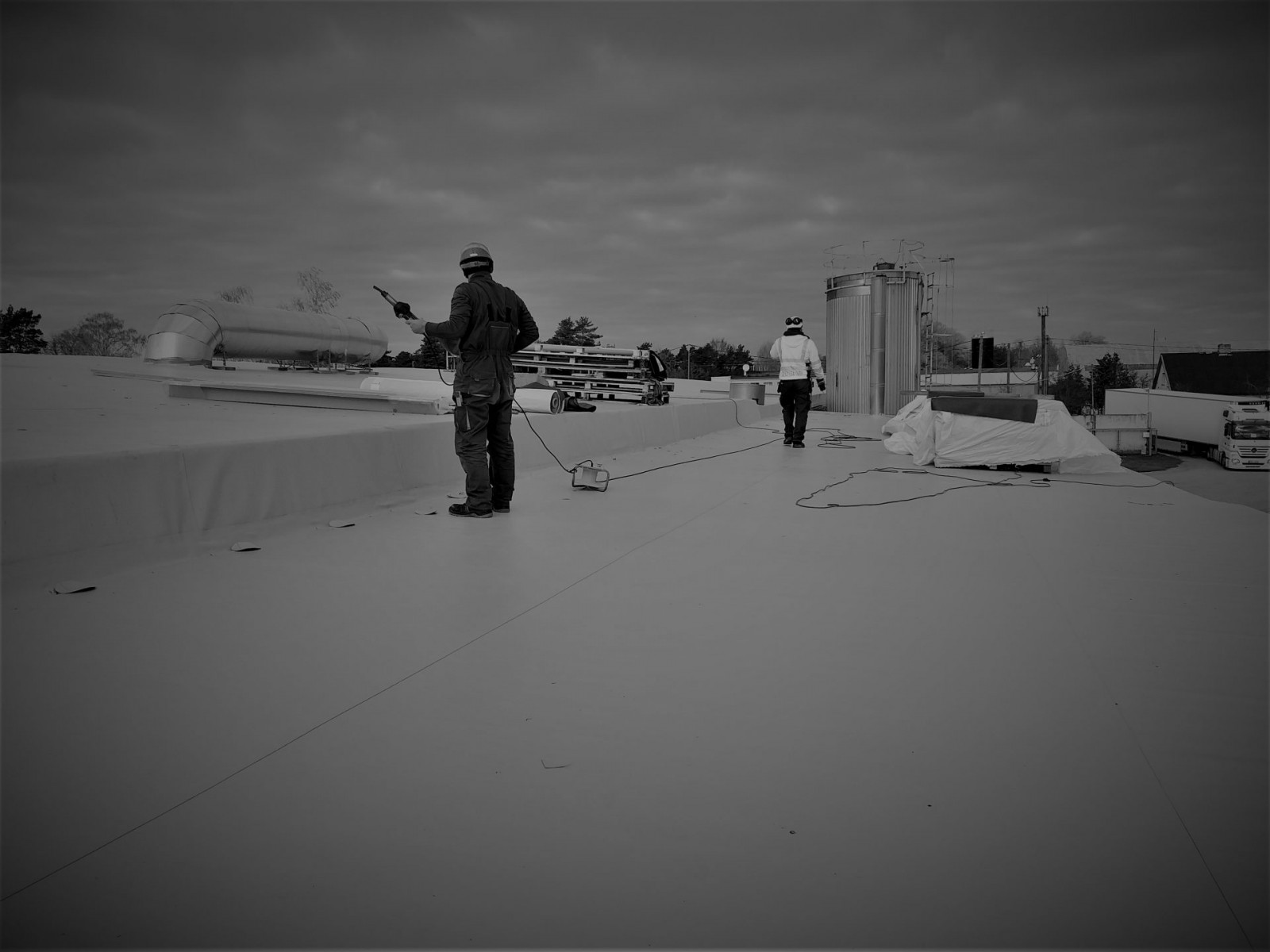
Residential, commercial and industrial buildings are available with flat roofs because of their modern view, space saving, and low cost of construction. Nevertheless, even the most excellent flat roofing systems may lie in ruin sooner than anticipated without proper care. The positive thing is that in case of suitable maintenance strategy and choice of materials, property owners can considerably increase the durability of their roofs and save costs in the long-term perspective.
The guide is a collection of professional knowledge and practical advice by experts on the best practice in the industry and experience. You will also find out how to take care of your investment by applying best practices of flat roof maintenance (plokščio stogo priežiūra) that involve durability, energy, and performance.
Understanding Flat Roof Lifespan and Why Maintenance Matters
The durability of a flat roof is usually 15-30 years, as per the materials employed, the nature of the installation, the exposure to the climate and the frequency of its maintenance. The flat roofs, as compared to the pitched roofs, are susceptible to water accumulation, debris accumulation, and stress on the membranes. This causes proactive care to not be something optional but rather something that is all-important.
Neglecting maintenance often leads to:
- Premature membrane failure
- Increased roofing felt cost due to frequent repairs
- Insulation damage and rising energy bills
- Structural moisture issues
On the other hand,a flat roof which is well kept bears long run benefits, reliable indoor temperatures, predictability of costs associated with ownership.
Common Flat Roof Types and Their Maintenance Needs
Understanding your roof type helps you apply the correct maintenance strategy.
Bituminous Roofing Systems
Bituminous roofing has continued to be a very popular application to flat roofs. It has built roofing (BUR) and modified bitumen membranes. These systems have reputations of durability, flexibility and high quality waterproofing performance.
Maintenance tips:
- Inspect seams and overlaps annually
- Check for surface cracking or blistering
- Keep drainage points clear
Bituminous materials of high quality do remarkably well when installed in a proper manner and maintained accordingly.
Single-Ply Membranes
The single-ply systems (EPDM, TPO, and PVC) are lightweight to construct and install easily. They should undergo regular checkups to avoid seam separation and punctures.
The Role of Professional Installation in Roof Longevity
The most appropriate materials perform poorly when they are not installed properly. Leaks at the early stages, compression of the insulation, and stress of the membrane are caused by bad workmanship. Contractors who provide turnkey roofing solutions of roofing are professionals who will make all the stages such as preparation of the surface, complete sealing met the specifications.
Turnkey roofing benefits include:
- One accountable contractor
- Optimized material compatibility
- Reduced installation errors
- Long-term performance assurance
This solution will also ensure future price adjustments on roof insulation price since there will be no expensive corrective action.
Routine Inspections: Your First Line of Defense
Flat roof must be checked on a regular basis and at least once in a year preferably in spring and in the autumn season and to see the initial signs of wear due to changing of seasons. Besides these frequent inspections, it should be a habit to inspect the roofing system after a severe storm, heavy rain or snow because extreme weather may lead to undone destruction to the roofing system. Periodic checkups can also identify minor problems before allowing them to graduate into an expensive repair or untimely failure of the roof.
What to Look For During Inspections
- Standing water or poor drainage
- Membrane cracks, punctures, or loose seams
- Damaged flashing around vents and edges
- Signs of insulation saturation
Early detection dramatically lowers roofing felt cost over the roof’s lifetime.
Drainage Management: Preventing Water Damage
One of the most destructive forces in affecting flat roof is the pooling of water. Even little puddles hasten the breakdown of membranes and make them more vulnerable to the possibility of leakage.
Drainage Best Practices
- Keep drains and scuppers free of debris
- Ensure proper roof slope during installation
- Inspect internal drains for blockages
Effective drainage is essential for all types of roofing for flat roof applications, regardless of material.
Roof Insulation and Energy Efficiency
Insulation is significant in the comfort and life of the roof. Lack of proper insulation causes condensation, stress on the membrane, and high consumption of energy.
How Insulation Affects Roof Lifespan
- Reduces thermal movement in membranes
- Prevents moisture buildup beneath roofing layers
- Stabilizes indoor temperatures
The roof insulation price depends on materials and thickness although high-quality insulation lowers the operation cost in the long term and may also increase the life of the roof.
Cleaning and Surface Care
A flat roof can easily gather dirt, leaves, and air pollutants compared to the sloped roof. The frequent cleaning prevents the degradation of materials.
Safe Cleaning Guidelines
- Remove debris manually or with low-pressure equipment
- Avoid harsh chemicals that damage bituminous materials
- Inspect surface coatings after cleaning
Clean roofs last longer and allow easier inspection of potential issues.
Flashings and Edge Details: Small Components, Big Impact
Flat roof failures start at its edges where flashings, parapets and terminations are repeatedly exposed to wind, UV radiation and frequent changes in temperature. These are some of the points that need to be taken care of during the maintenance process like tightening any loose flashings that may be present and also resealing cracked or old joints and replacing corroded metallic components before they continue to get worse.
These minor details are best dealt with at the initial stages in order to eliminate water infiltration which may cause the destruction of layers of insulation and structural integrity of the building.
When to Repair vs. When to Restore
Not every problem in roof would necessitate complete replacement. With strategic restoration, service life is increased at a small fraction of the replacement cost.
Repair Is Suitable When:
- Damage is localized
- Membrane integrity is mostly intact
- Insulation remains dry
Restoration Works Best When:
- Surface aging is widespread
- Waterproofing performance declines
- Structural deck remains sound
Restoration solutions can be in the form of coating or overlay with membranes that are compatible with the existing bituminous roofing systems.
Material Quality and Supplier Selection
The quality of the materials is very crucial to the lifespan of a flat roof. Buying a roofing materials store with a good reputation would guarantee the maintenance of the performance requirements and compatibility presence of the matching components over the long-term.
High-quality suppliers provide:
- Certified membranes and insulation
- Technical documentation
- Material warranties
Corners are frequently cut on material and this can result in increased cost of roofing felt in the long term and increased maintenance circles.
Climate Considerations and Seasonal Care
There are direct impacts of climate on aging of roofs. Wear of materials is increased by freeze-thaw cycles, UV exposure and heavy rainfalls.
Seasonal Maintenance Tips
- Winter: Check snow load and ice buildup
- Spring: Inspect for freeze damage
- Summer: Monitor UV-related cracking
- Autumn: Clear leaves and prepare drainage
Seasonal adaptation of the maintenance process is the best way to enhance roofing flat roof durability.
Professional Maintenance Programs
Most property owners do not value the importance of professional maintenance that is scheduled. Annual service contract saves on emergency repairs and gives constant performance.
Benefits include:
- Expert inspections
- Preventive repairs
- Documentation for warranties
- Budget predictability
These programs are also consistent with long term turnkey roofing programs of both commercial and residential properties.
Long-Term Cost Savings Through Preventive Care
Reactive repair is always comparatively very expensive as opposed to preventive maintenance. Strict maintenance of roofs in a lifespan of 20-30 years avoids a lot of the total ownership cost by reducing the number of unexpected failures and maximizing the performance of the system.
These savings are attributed to the better energy efficiency, reduced emergency repair callouts, extended roofing membrane, and the constant performance of insulation that insulates the structure of the building and ensures the consistent indoor comfort.
FAQs about Flat Roof Repair
- How long should a properly maintained flat roof last?
With quality materials and regular maintenance, flat roofs often exceed their expected lifespan, lasting 25–30 years or more depending on the system.
- Is bituminous roofing suitable for cold climates?
Yes. Bituminous materials perform well in cold environments due to their flexibility and strong waterproofing characteristics.
- How does insulation affect flat roof durability?
Proper insulation minimizes thermal stress, reduces condensation risk, and protects the roofing membrane from premature failure.
- Can small leaks be ignored if they seem minor?
No. Small leaks quickly expand, damaging insulation and increasing repair costs. Immediate attention prevents larger structural issues.
- How do I choose the right contractor for flat roof maintenance?
Look for experience with roofing for flat roof systems, transparent pricing, material expertise, and a proven maintenance track record.
Conclusion
The process of prolonging a flat roof life span entails both intelligent material selection, expert construction and regular upkeep. Drainage management and insulation upgrading, timely inspections, surface care and so on all help to improve performance and control costs over a long period.
When property owners view roofing as a long-term investment, not as a short-term cost component, the owners enjoy lower maintenance costs, enhanced energy efficiency, and predictable costs of maintaining a roof. To ensure the professional installation, quality roofing and professional advice, Roofmaster roofing specialists offer the professionalism and technical skills to guard and prolong the lifespan of your flat roof investment.